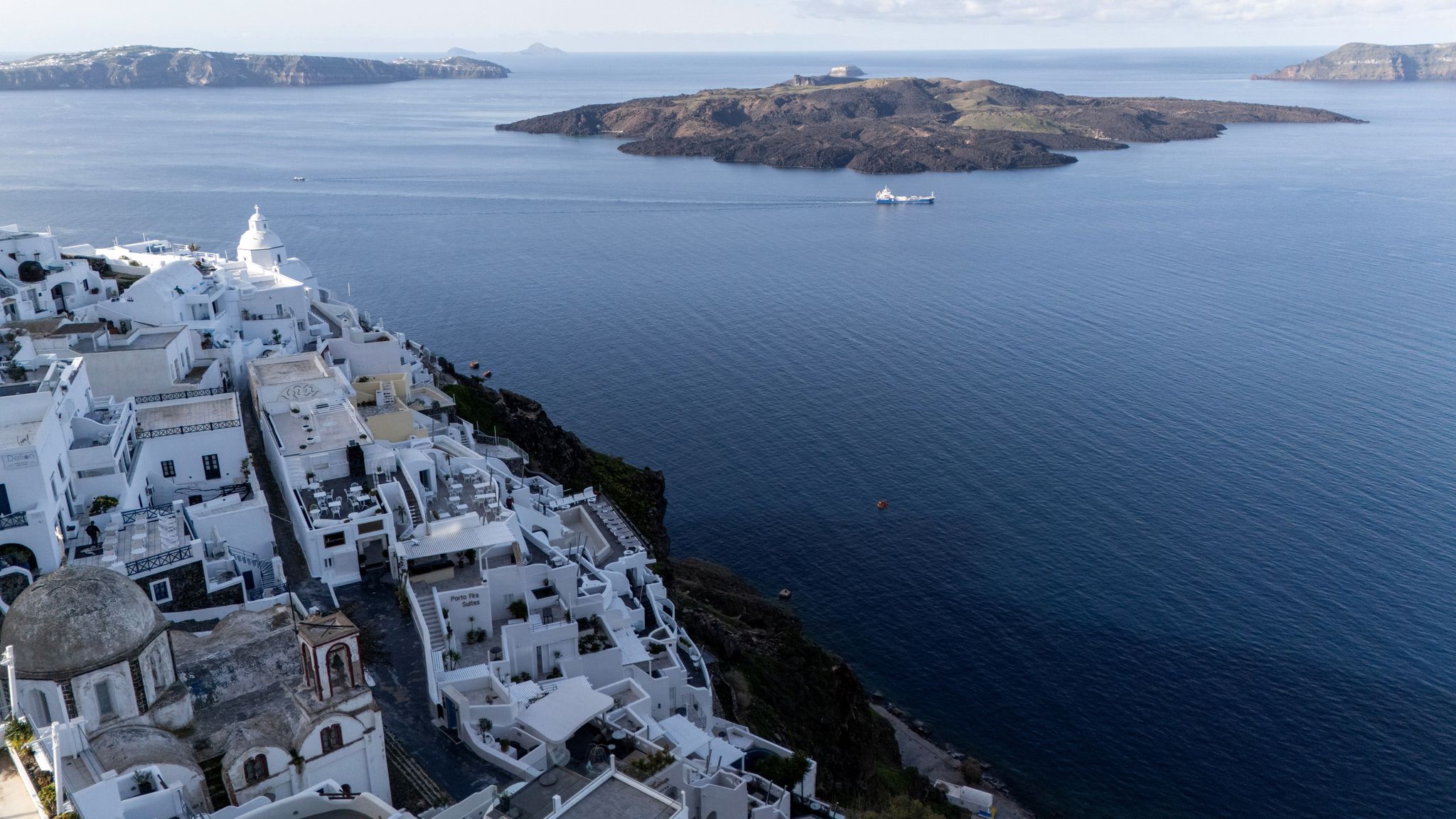
Santorini Greece Earthquakes: A Comprehensive Guide To Understanding Seismic Activity - Publications from the Nature Journal and other reputable sources underscore the significance of interdisciplinary research in understanding Santorini's seismic activity. The 1956 earthquake caused parts of the caldera to collapse, reshaping the coastline and altering the island's topography. This seismic event also led to the formation of new islands, such as Nea Kameni and Palea Kameni, which are now popular tourist attractions.
Publications from the Nature Journal and other reputable sources underscore the significance of interdisciplinary research in understanding Santorini's seismic activity.
The subduction of the African Plate beneath the Eurasian Plate generates significant stress, which is periodically released through earthquakes. This process is a natural part of the Earth's tectonic dynamics and is responsible for the seismic activity experienced in Santorini.
In response to the history of seismic activity, modern-day Santorini has implemented various safety measures to protect its residents and visitors. These measures include building codes, early warning systems, and public awareness campaigns.
This article aims to provide a detailed exploration of Santorini Greece earthquakes, equipping readers with essential knowledge about seismic activity in the region. From historical records to modern-day preparedness, we will cover everything you need to know about this critical topic. Let's dive in.
For tourists visiting Santorini, understanding what to do during an earthquake is crucial for ensuring personal safety. Simple precautions can make a significant difference in minimizing the risk of injury or harm.
New technologies, such as satellite-based monitoring systems and seismic sensors, are being deployed to gather real-time data on tectonic movements. This data is analyzed to identify patterns that may indicate an impending earthquake.
The primary cause of Santorini Greece earthquakes lies in the tectonic movements of the African and Eurasian plates. The subduction zone beneath the Aegean Sea creates stress along fault lines, leading to seismic activity.
Greece declares state of emergency on Santorini after earthquakes
According to the Geological Society of London, the geological composition of Santorini makes it a hotspot for seismic research. The island's unique geological features provide valuable insights into the Earth's tectonic processes.

Santorini Greece earthquakes have been a subject of fascination and concern for geologists and tourists alike. The stunning island of Santorini, known for its breathtaking sunsets and iconic white-washed buildings, sits atop a seismically active region. Understanding the science behind these earthquakes is crucial for both residents and visitors. In this article, we will delve into the history, causes, and impacts of earthquakes in Santorini, providing you with valuable insights to stay informed and prepared.
The Greek government, in collaboration with international organizations, has invested in early warning systems that can detect seismic activity and alert the population in advance. These systems play a crucial role in minimizing the impact of earthquakes on the island.
Santorini is divided into several sub-seismic zones, each with varying levels of seismic activity. Understanding these zones is essential for effective disaster management and urban planning.